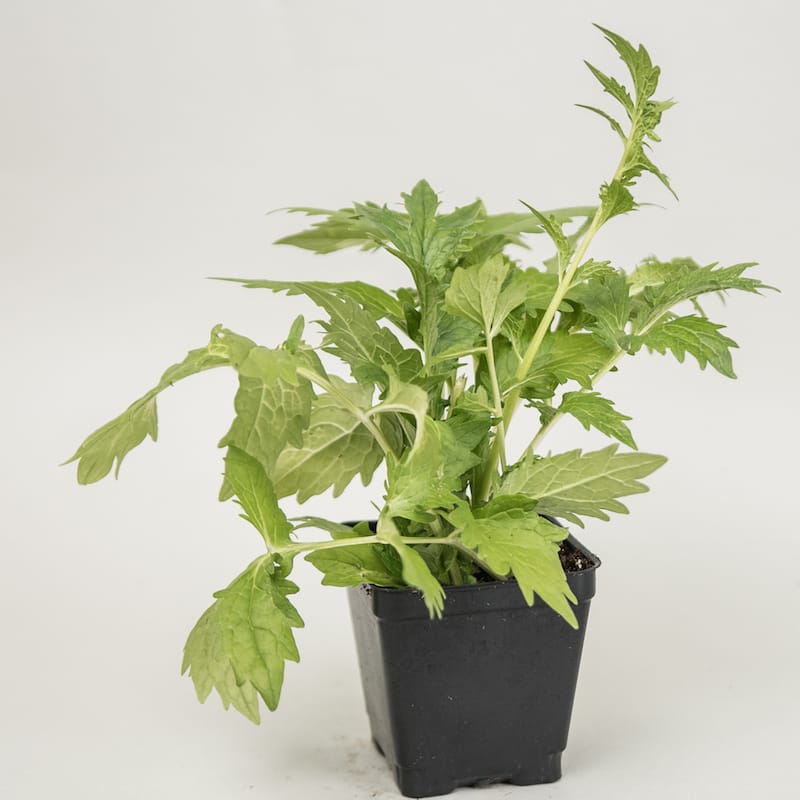
Valerian
Valerian
Quick Growing Facts
- Medicinal
- Deer Resistant
- Aroma
- Container
- Pollinator
- Butterfly
Couldn't load pickup availability
Valerian Plants
Valeriana officinalis
Add height and old-fashioned character to your herb garden with Valerian. This herbaceous perennial produces upright stems topped with clusters of small, fragrant white to pale pink flowers during summer.
Its airy blooms and leafy growth suit cottage gardens and informal borders. Give it room toward the back of a planting, where its taller flower stems can rise above lower-growing plants.
Fragrant Flowers and Garden Interest
Valerian has a long history in traditional herb gardens, but its ornamental qualities deserve attention too. The flowers have a sweet fragrance, while the roots have a distinctly stronger, earthy odor.
Grow it for its flowers, foliage, and place in herbal history rather than as a substitute for medical care.
Growing Valerian
- Light: Full sun to partial shade.
- Soil: Choose fertile soil that retains moisture while allowing excess water to drain.
- Water: Keep the soil consistently moist, especially while plants establish and during dry weather.
- Placement: Allow room for mature growth and provide support if tall stems lean in exposed locations.
- Seasonal growth: Foliage dies back during winter and returns in spring where growing conditions are suitable.
Keep Its Growth in Check
Valerian can spread by underground stems and self-seeding. Remove spent flower heads before seeds mature, and divide established clumps as needed to manage their size.
It can be invasive in some regions. Check local guidance before planting, and avoid placing it where it could spread into nearby natural areas.
For help settling in your new plants, follow our arrival and planting guide.