


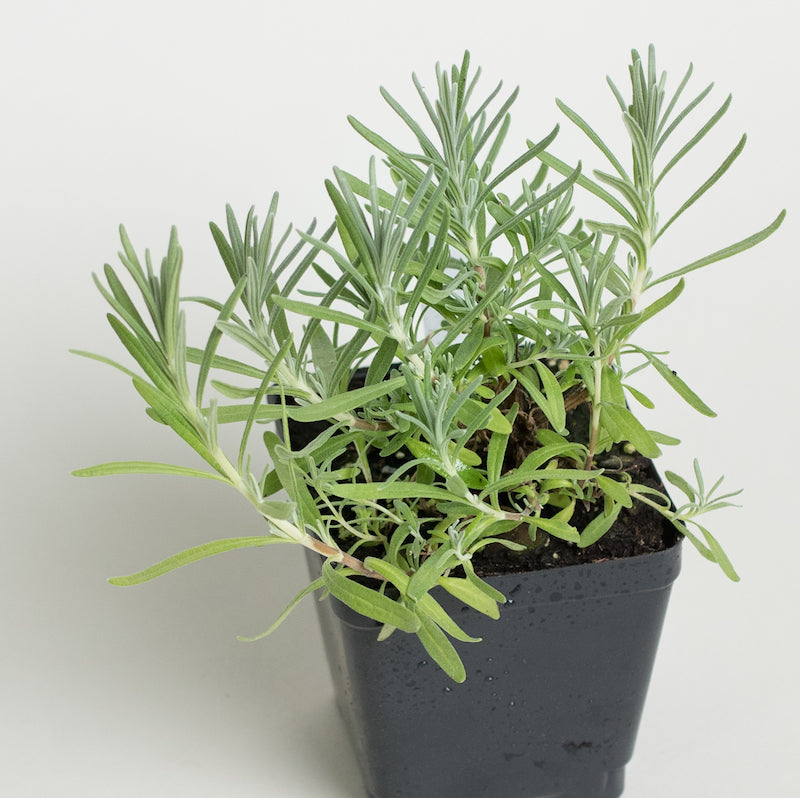
Lavender 'Hidcote'
Lavender 'Hidcote'



-
 Culinary
-
 Medicinal
-
 Deer Resistant
-
 Aroma
Aroma
-
 Container
-
 Pollinator
-
 Indoor
-
 Butterfly
-
 Drought
 Deer Resistant
Couldn't load pickup availability
-
Hidcote Lavender Plants For Sale
Lavandula Angustifolia
Herb Growing Tips
Light: Hidcote Lavender plants prefer full sun
Temperature: Hardiness Zones 5-9
Watering: As with most Lavenders, 'Hidcote' is drought resistant and does not need much water. In fact, over watering is one of the biggest mistakes made when growing Lavender, since this tends to promote disease and root rot.
Soil: 'Hidcote', similarly to other varieties, will thrive in dry, loamy soil that drains well. Drainage is key with this herb, as Lavender hates "wet feet" and will not survive long if kept in moist soil.
Comments: Good circulation is vital as lavenders cannot tolerate damp and humid conditions. They need a lot of room to grow and they need a lot of air moving around them to avoid excess moisture which will lead to rot. Lavender is a must have and easy to grow. We have created a wonderful blog on 'How To Grow Lavenders Successfully'.
Herb Description
A true English lavender noted for its long lasting-sweet scent, Hidcote Lavender is a highly aromatic, smaller variety of common lavender. Hidcote flowers are darker than most other varieties, which lends the common name "Hidcote Blue" as they seem navy blue at times. Contrasting with the more compact, silvery foliage, Hidcote makes a stunning addition to your garden, in arrangements, or as a culinary garnish.
Prized for its ability to retain its scent long after being dried or cut, it is a favorite ingredient for potpourris. The essential oils are extracted and used in soaps, perfumes and shampoos,and Aromatherapy products. As a culinary herb, its blooms can be used to flavor salads, desserts, drinks and stews.English Lavender
Ancient Romans used it in their public baths to infuse the warm water with its scent, giving it the name "Lavender" meaning "to wash". Bunches of Lavender were often scattered in the streets to ward off the plague and other diseases during the Medieval days.
Medicinally 'Hidcote' has traditionally been used to cure headaches and depression, and its oils are often seen in modern day spas for its calming, stress relieving effect. It not only has a soothing effect on one's nerves, but the 'Munstead' and 'Hidcote Lavender' varieties actually help heal minor wounds and burns. Lavender's healing properties were discovered in 1928 by French chemist, Rene-Maurice Gattefosse when he accidentally applied Lavender oil to a burn he sustained while in his lab. He noted that the burn did not get infected and healed much quicker than usual. This was the first time that modern medicine had recognized Lavender's healing potential and documented its anti fungal, antibacterial and collagen rebuilding abilities.Hidcote Lavender Plant Care Tips:
- Well drained soil - lavenders will not tolerate poor drainage so add sand if you need to improve the quality of your soil. Most lavender 'deaths' occur because of wet roots. An alkaline soil is best.
- They cannot tolerate humidity: damp, still air makes them susceptible to fungus ailments
- Lavenders need full sun- 6 to 8 hours of sunshine for these Mediterranean natives
Hidcote Lavender Plants For Sale
Lavandula Angustifolia
Herb Growing Tips
Light: Hidcote Lavender plants prefer full sun
Temperature: Hardiness Zones 5-9
Watering: As with most Lavenders, 'Hidcote' is drought resistant and does not need much water. In fact, over watering is one of the biggest mistakes made when growing Lavender, since this tends to promote disease and root rot.
Soil: 'Hidcote', similarly to other varieties, will thrive in dry, loamy soil that drains well. Drainage is key with this herb, as Lavender hates "wet feet" and will not survive long if kept in moist soil.
Comments: Good circulation is vital as lavenders cannot tolerate damp and humid conditions. They need a lot of room to grow and they need a lot of air moving around them to avoid excess moisture which will lead to rot. Lavender is a must have and easy to grow. We have created a wonderful blog on 'How To Grow Lavenders Successfully'.
Herb Description
A true English lavender noted for its long lasting-sweet scent, Hidcote Lavender is a highly aromatic, smaller variety of common lavender. Hidcote flowers are darker than most other varieties, which lends the common name "Hidcote Blue" as they seem navy blue at times. Contrasting with the more compact, silvery foliage, Hidcote makes a stunning addition to your garden, in arrangements, or as a culinary garnish.
Prized for its ability to retain its scent long after being dried or cut, it is a favorite ingredient for potpourris. The essential oils are extracted and used in soaps, perfumes and shampoos,and Aromatherapy products. As a culinary herb, its blooms can be used to flavor salads, desserts, drinks and stews.
English Lavender
Ancient Romans used it in their public baths to infuse the warm water with its scent, giving it the name "Lavender" meaning "to wash". Bunches of Lavender were often scattered in the streets to ward off the plague and other diseases during the Medieval days.
Medicinally 'Hidcote' has traditionally been used to cure headaches and depression, and its oils are often seen in modern day spas for its calming, stress relieving effect. It not only has a soothing effect on one's nerves, but the 'Munstead' and 'Hidcote Lavender' varieties actually help heal minor wounds and burns. Lavender's healing properties were discovered in 1928 by French chemist, Rene-Maurice Gattefosse when he accidentally applied Lavender oil to a burn he sustained while in his lab. He noted that the burn did not get infected and healed much quicker than usual. This was the first time that modern medicine had recognized Lavender's healing potential and documented its anti fungal, antibacterial and collagen rebuilding abilities.
Hidcote Lavender Plant Care Tips:
- Well drained soil - lavenders will not tolerate poor drainage so add sand if you need to improve the quality of your soil. Most lavender 'deaths' occur because of wet roots. An alkaline soil is best.
- They cannot tolerate humidity: damp, still air makes them susceptible to fungus ailments
- Lavenders need full sun- 6 to 8 hours of sunshine for these Mediterranean natives

What’s included
Included items will appear here once configured.