

Bergamot (Bee Balm)
Bergamot (Bee Balm)


-
 Culinary
-
 Medicinal
-
 Deer Resistant
-
 Aroma
Aroma
-
 Pollinator
-
 Native
 Deer Resistant
 Native
Couldn't load pickup availability
-
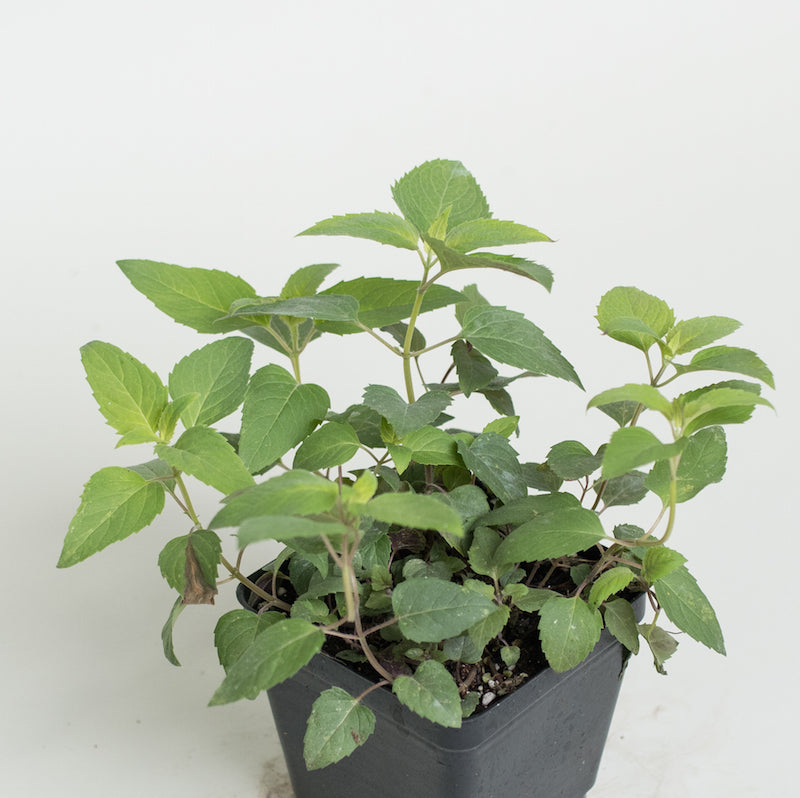
Bergamot, Bee Balm Plants For Sale
Monarda fistulosa
Herb Growing Tips
Light: Full to Part Sun
Temperature: Perennial for Hardiness Zones 4-10
Water: Moderate watering is needed
Soil: Well-drained soil that is kept moist and but likes to be on the drier side.
Comments: This plant is prone to powdery mildew, this seems to be a cosmetic issue and doesn't effect the continue success for this plant. To help prevent this you can help by thinning out the plant, making sure it has enough space for optimum airflow and proper sunlight!
Herb Description
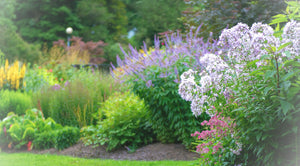
Discover the enchanting beauty and aromatic charm of Bergamot, also known as Wild Bergamot or Bee Balm. This stunning perennial herb boasts vibrant lavender to pink flowers that bloom throughout the summer, attracting not only bees and butterflies but also adding a splash of color to any garden.
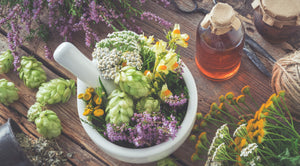
Traditionally cherished for its unique flavor, Bergamot leaves can be used fresh or dried to create delightful teas and flavor various dishes. The essential oils derived from the plant are often used in aromatherapy, celebrated for their calming and uplifting properties.
Though this magnificent herb is susceptible to powdery mildew, rest assured it remains resilient and continues to flourish. To prevent this common issue, ensure good air circulation by thinning out the plant and providing ample space for optimal growth and sunlight.
Whether you're a seasoned gardener or just starting, Bergamot is easy to care for and offers enormous benefits. With its fragrant foliage and striking floral display, Monarda fistulosa is not only a delightful addition to your landscape but also a fantastic way to support pollinators in your area.Bring home the magic of Bergamot and enjoy its beauty and versatility in your garden today!
-
Bergamot, Bee Balm Plants For Sale
Monarda fistulosa
Herb Growing Tips
Light: Full to Part Sun
Temperature: Perennial for Hardiness Zones 4-10
Water: Moderate watering is needed
Soil: Well-drained soil that is kept moist and but likes to be on the drier side.
Comments: This plant is prone to powdery mildew, this seems to be a cosmetic issue and doesn't effect the continue success for this plant. To help prevent this you can help by thinning out the plant, making sure it has enough space for optimum airflow and proper sunlight!
Herb Description
Discover the enchanting beauty and aromatic charm of Bergamot, also known as Wild Bergamot or Bee Balm. This stunning perennial herb boasts vibrant lavender to pink flowers that bloom throughout the summer, attracting not only bees and butterflies but also adding a splash of color to any garden.
Traditionally cherished for its unique flavor, Bergamot leaves can be used fresh or dried to create delightful teas and flavor various dishes. The essential oils derived from the plant are often used in aromatherapy, celebrated for their calming and uplifting properties.
Though this magnificent herb is susceptible to powdery mildew, rest assured it remains resilient and continues to flourish. To prevent this common issue, ensure good air circulation by thinning out the plant and providing ample space for optimal growth and sunlight.
Whether you're a seasoned gardener or just starting, Bergamot is easy to care for and offers enormous benefits. With its fragrant foliage and striking floral display, Monarda fistulosa is not only a delightful addition to your landscape but also a fantastic way to support pollinators in your area.
Bring home the magic of Bergamot and enjoy its beauty and versatility in your garden today!

